Introduction
Technology and environmental responsibility are no longer opposing forces. The sustainable technology revolution is fundamentally changing how we power our homes, travel, consume goods, and interact with devices. (Forbes – Sustainable Technology)
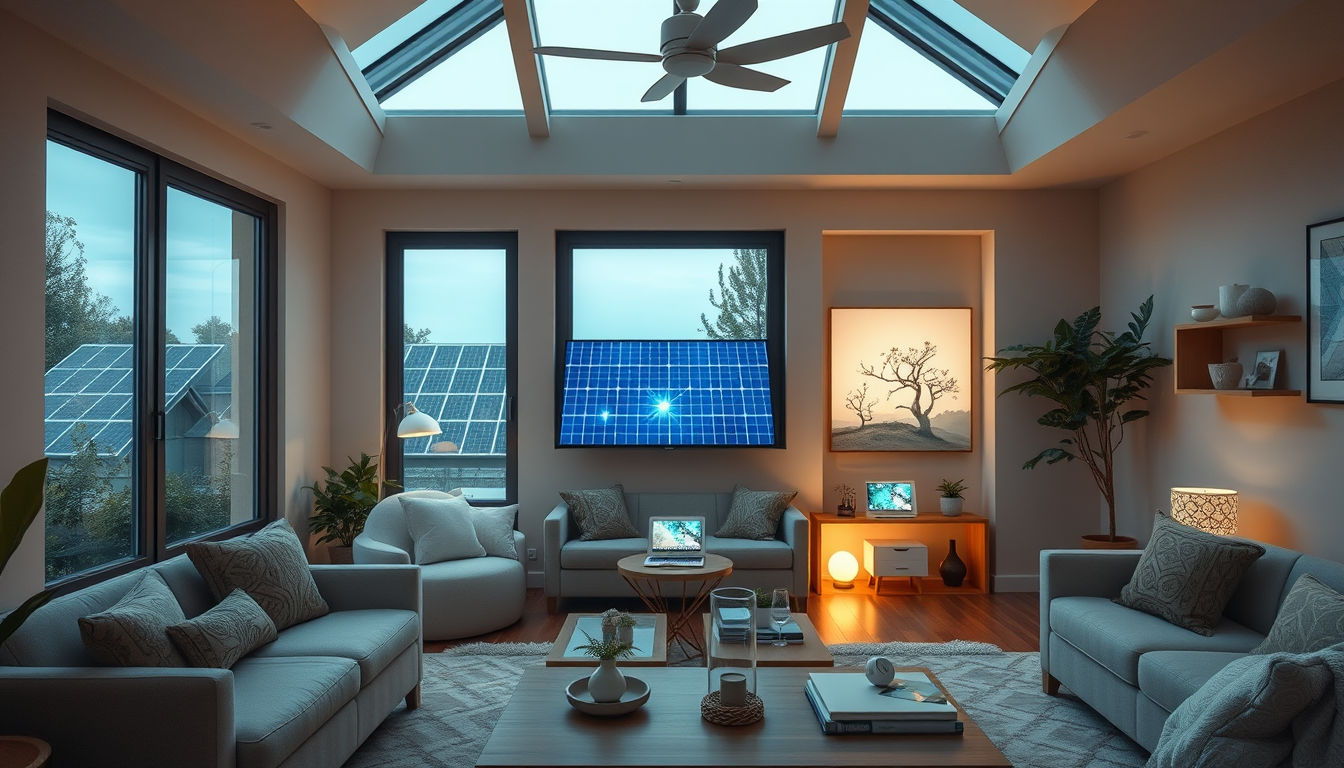
In 2026, sustainable tech has moved from niche concern to mainstream priority, driven by consumer demand and regulatory pressure. From solar-powered gadgets to energy-efficient smart homes, circular economy electronics, and carbon-negative innovations, eco-friendly technology now outperforms traditional alternatives while reducing environmental impact.
Smart Home Energy Management
AI-Powered Energy Optimization
Modern smart home systems learn your patterns to optimize energy use. These systems predict occupancy, adjust heating/cooling, and manage appliances intelligently, reducing bills 20-30%. (CNET – Smart Home Energy)
Key Innovations:
- Smart thermostats learning your schedule
- AI-powered energy monitoring identifying waste
- Automated optimization based on utility rates
- Integration with renewable energy sources
Solar Integration and Battery Storage
Solar panels with home battery storage have become more affordable and efficient. Smart home systems now optimize energy use based on solar production and grid pricing. (EnergySage – Solar + Storage)
Transportation Revolution
Electric Vehicle Advancement
EVs now reach cost parity with internal combustion vehicles while offering superior performance. Features include 500+ mile ranges, 15-minute fast charging, and vehicle-to-grid capabilities. (EV Volumes – EV Trends 2026)
Key Developments:
- Solid-state batteries doubling range
- Expanded charging infrastructure
- Accessible used EV market
- Bidirectional charging powering homes
Smart Home Energy Integration
Homes can now automatically optimize EV charging with solar and battery storage, reducing costs and environmental impact.
Real-World Impact: Families report 30-50% reductions in energy costs with integrated smart home energy management systems.
Sustainable Food and Agriculture Tech
Precision Agriculture
AI-powered sensors and drones optimize irrigation, pesticide application, and yield, reducing environmental impact. (AgFunder – AgTech Trends)
Benefits:
- Reduced water waste
- Targeted pesticide application
- Higher crop yields with fewer resources
- Lower carbon footprint
Vertical Farming and Food Tech
Indoor vertical farms with AI-controlled environments use 95% less water and 99% less land than traditional farming.
Alternative Protein Development
Lab-grown meat and plant-based proteins now rival conventional meat in quality and cost, reducing environmental impact and animal welfare concerns. (Good Food Institute)
Clean Energy Innovations
Home Battery Systems
Advanced home battery systems store solar energy for nighttime use, enabling energy independence. (Tesla Powerwall)
Smart Grid Technology
AI-enabled smart grids optimize home energy use based on renewable energy availability and demand.
Next-Generation Solar Panels
Perovskite and high-efficiency solar panels, paired with battery storage, accelerate residential solar adoption. (NREL – Solar Research)
Circular Economy and Product Lifecycle
Design for Disassembly
Electronics are now designed for easy repair, upgrade, and recycling, reducing e-waste. (Ellen MacArthur Foundation – Circular Electronics)
Carbon-Neutral Manufacturing
Tech companies adopt carbon-neutral or negative production, transparency, and supply chain accountability.
Consumer Impact: Trade-in programs, repair services, and recycling initiatives extend product lifecycles and reduce electronic waste.
Conclusion
The sustainable technology emerging in 2026 proves environmental responsibility and cutting-edge innovation are inseparable. (World Economic Forum – Green Tech)
From energy-efficient devices and smart homes to circular economy practices and clean energy integration, these technologies demonstrate that convenience and sustainability can coexist. Consumers and professionals who adopt these solutions accelerate the transition to an environmentally responsible future.
Which sustainable technology innovations will you support this year?